



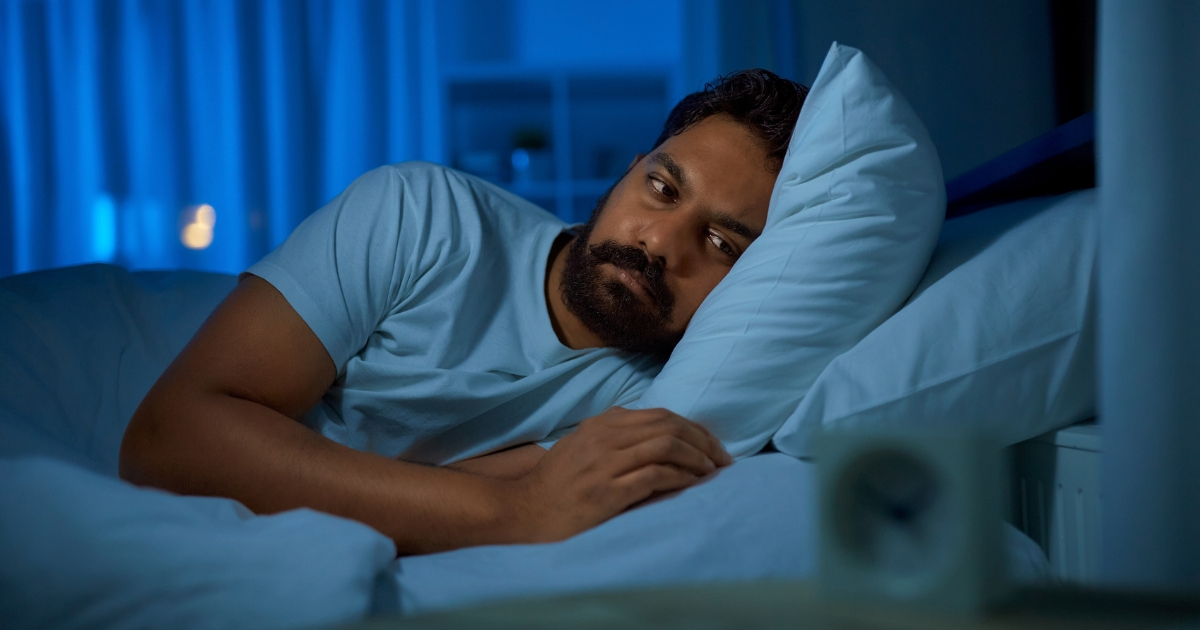
You collapse into bed after a long day, muscles aching and eyelids heavy. Yet the moment your head hits the pillow, your mind snaps awake. Your body screams for rest, but sleep refuses to come. This exhausting paradox — being physically exhausted yet unable to fall asleep — affects millions of people and often signals more than poor sleep habits. The answer requires looking beyond fatigue to the complex interplay between your nervous system, mental health, and sleep architecture.
The gap between exhaustion and actual sleep often points to underlying physiological or psychological factors that keep your brain in a state of alert despite your body’s need for rest. When this pattern persists, it can indicate conditions that benefit from professional evaluation and treatment rather than another night of tossing and turning.
The Science Behind Feeling Exhausted But Unable to Sleep
Physical tiredness and the ability to fall asleep are controlled by separate but overlapping systems. Your body accumulates sleep pressure throughout the day through a compound called adenosine, which builds up in your brain and creates the sensation of drowsiness. However, your ability to actually transition into sleep depends on your nervous system downshifting from a state of arousal to one of relaxation. When these systems don’t align, you experience the frustrating reality of wondering why you can’t sleep at night even when you’re tired.
| Arousal Type | Physical Manifestations | Mental Manifestations |
|---|---|---|
| Physiological Hyperarousal | Elevated heart rate, muscle tension, increased body temperature | Heightened alertness, difficulty relaxing, sensory sensitivity |
| Cognitive Arousal | Restlessness, shallow breathing, jaw clenching | Rumination, worry spirals, racing thoughts at bedtime |
| Emotional Arousal | Chest tightness, stomach discomfort, trembling | Anxiety, irritability, sense of dread |
Common Causes of Sleep Problems Despite Exhaustion
Caffeine consumed after 2 p.m. can still be active in your system at night, blocking adenosine receptors and preventing the natural buildup of sleep pressure. Screen exposure in the evening suppresses melatonin production, delaying your body’s recognition that it’s time to sleep. Irregular sleep schedules confuse your internal clock, making it difficult to fall asleep even when exhaustion sets in.
Anxiety disorders create a state of chronic vigilance that doesn’t simply switch off when you lie down. Depression alters sleep architecture, often causing early morning awakening or non-restorative sleep. Post-traumatic stress disorder keeps the nervous system in a state of hypervigilance, scanning for danger even during rest. These conditions fundamentally alter the neurochemical environment needed for healthy sleep.
- Environmental sleep disruptors: Noise, light pollution, uncomfortable room temperature, or an unsupportive mattress can prevent the physical relaxation needed for sleep onset.
- Circadian rhythm misalignment: Shift work, jet lag, or inconsistent sleep-wake times desynchronize your internal clock from your actual schedule, creating fatigue at the wrong times.
- Undiagnosed sleep disorders: Conditions like sleep apnea, restless leg syndrome, or periodic limb movement disorder fragment sleep without your conscious awareness, leaving you tired but unable to achieve restorative rest.
- Chronic stress responses: Prolonged activation of your stress response system keeps cortisol and sleep problems linked, preventing the hormonal shift needed for rest.
When Insomnia Signals an Underlying Mental Health Condition
The insomnia and mental health connection is bidirectional — mental health conditions disrupt sleep, and poor sleep worsens mental health symptoms. Anxiety disorders, particularly generalized anxiety disorder and panic disorder, frequently present with sleep-onset insomnia. The worry and physiological tension that characterize these conditions don’t disappear at bedtime. Instead, they manifest as sleep anxiety symptoms including fear of not falling asleep, hypervigilance about the passage of time, and catastrophic thinking about the consequences of another sleepless night.
Depression commonly disrupts sleep architecture in distinct patterns. Some people with depression experience hypersomnia — sleeping excessively yet never feeling rested. Others face early morning awakening, waking at 3 or 4 a.m. and finding it impossible to return to sleep despite exhaustion. ADHD affects sleep through difficulty quieting mental activity and regulating the transition to rest. Bipolar disorder can present with reduced need for sleep during manic or hypomanic episodes, followed by exhaustion that still doesn’t translate into restful sleep during depressive phases.
Recognizing When Professional Evaluation Is Needed
Understanding sleep disorders vs poor sleep habits helps determine when self-help measures are sufficient and when clinical intervention is necessary. The question of when to see a doctor for insomnia has a clear answer: when sleep problems occur at least three nights per week for three months or longer, cause significant daytime impairment, or co-occur with mood changes or thoughts of self-harm. If you or someone you know is in crisis, call or text 988 to reach the Suicide & Crisis Lifeline, available 24/7.
If you keep asking why you can’t sleep, professional evaluation is warranted when you find yourself dreading bedtime or experiencing panic about sleep. What causes hyperarousal at night often requires clinical assessment to identify underlying factors that lifestyle changes alone cannot address.
| Indicator | Self-Management Appropriate | Professional Evaluation Needed |
|---|---|---|
| Duration | Occasional sleeplessness lasting days to a few weeks | Sleep problems persisting 3+ months despite lifestyle changes |
| Daytime Impact | Mild fatigue that doesn’t impair functioning | Significant impairment in work, relationships, or daily activities |
| Associated Symptoms | Isolated sleep difficulty without other concerns | Co-occurring anxiety, depression, or mood instability |

Integrated Sleep and Mental Health Treatment at Reset Behavioral Health
Reset Behavioral Health provides integrated assessment and treatment for co-occurring sleep and mental health disorders, recognizing that the question of why you can’t sleep at night even when you’re tired often has roots in underlying mental health conditions. Learning how to fall asleep when overtired requires addressing both the physical and mental components of hyperarousal through evidence-based approaches. If you’re trapped in the cycle of feeling tired yet unable to rest, professional support can help you reclaim the restorative sleep your mind and body need. Contact Reset Behavioral Health today to begin your path toward genuine rest and mental health stability.
FAQs
The following questions address common concerns regarding being unable to sleep and when to seek professional support.
1. How long should I try sleep hygiene changes before seeking professional help?
Consistent implementation of good sleep hygiene — maintaining a regular sleep schedule, limiting caffeine and screens, creating a comfortable sleep environment — typically shows improvement within two to three weeks. If you’ve maintained these changes consistently for a month without meaningful improvement, or if your sleep problems are causing significant daytime impairment, professional evaluation is appropriate.
2. Can anxiety cause insomnia even when I’m physically exhausted?
Yes, anxiety creates a state of hyperarousal that overrides physical tiredness through elevated stress hormones and nervous system activation. This explains why the question “why can’t I sleep at night even when I’m tired?” is such a common complaint among people with anxiety disorders. Your body may be depleted, but your brain remains in a state of alert, scanning for threats and generating worry spirals that prevent the neurochemical shift needed for sleep onset.
3. What’s the difference between occasional sleeplessness and clinical insomnia?
Occasional sleeplessness happens to everyone during periods of stress, schedule changes, or illness and typically resolves within a few days to weeks. Clinical insomnia involves difficulty falling asleep, staying asleep, or waking too early at least three nights per week for three months or longer, with the sleep problems causing significant distress or impairment in daily functioning. Clinical insomnia often persists even after the initial trigger has resolved and typically requires professional treatment rather than self-help measures alone.
4. How does screen use before bed affect sleep when I’m overtired?
Scrolling or watching something before bed might feel relaxing and help you doze off, but it can still disrupt sleep quality throughout the night. Blue light exposure suppresses melatonin production and delays your body’s natural sleep signals, while mentally stimulating content can keep your brain more alert even as you feel physically tired. The result is often lighter, more fragmented sleep that leaves you feeling unrested despite spending enough time in bed.
5. When does insomnia require behavioral health treatment versus lifestyle changes?
Sleep problems that persist despite consistent good sleep habits, co-occur with mental health symptoms like anxiety or depression, or significantly impair your ability to function during the day require professional intervention. If you find yourself experiencing panic about sleep, avoiding bedtime, or noticing that mood symptoms worsen alongside sleep problems, professional evaluation is appropriate. The connection between sleep and mental health often requires integrated treatment approaches that address both simultaneously.


