Home: Five gold stars rating. Represents a 5-star review or top-rated service.

5/5 ratings | Get Help Now 

Does Flexeril Help With Anxiety: What Patients Should Know

Many people experiencing anxiety symptoms search for relief wherever they might find it, leading some to wonder does Flexeril helps with anxiety. This prescription drug, known generically as cyclobenzaprine, is a muscle relaxant that produces calming, sedative effects that some people associate with anxiety relief. However, understanding what Flexeril actually does and whether it represents appropriate mental health treatment helps patients make informed decisions about their care.

Flexeril received FDA approval specifically as a muscle relaxant for short-term treatment of muscle spasms, not as a medication for anxiety disorders. While some individuals report feeling calmer when taking this medication, these medication effects differ substantially from targeted anxiety treatment. This guide explores what patients should know about Flexeril, the evidence surrounding its use for anxiety, and the treatment options that offer genuine, lasting relief.

What Is Flexeril and How Does It Work?

Flexeril is the brand name for cyclobenzaprine, a centrally acting muscle relaxant prescribed primarily for acute musculoskeletal conditions causing painful muscle spasms. Rather than acting directly on muscles, Flexeril works within the central nervous system to reduce muscle tone and spasm through effects on brainstem motor neurons.

Key facts about Flexeril:

  • The generic name is cyclobenzaprine
  • Classified as a centrally acting muscle relaxant
  • FDA-approved for short-term use, typically two to three weeks
  • Structurally similar to tricyclic antidepressants
  • Produces sedation as a primary side effect
  • Available in immediate-release and extended-release formulations

The medication’s chemical structure closely resembles tricyclic antidepressants like amitriptyline, which has led to speculation about potential mood-related effects. However, structural similarity does not guarantee therapeutic equivalence, and Flexeril has not been developed or tested for mental health applications.

The Relationship Between Muscle Relaxation and Anxiety

Understanding why some people perceive anxiety relief from Flexeril requires examining the physical manifestations of anxiety. When the body experiences stress and anxiety symptoms, muscles throughout the body tense as part of the fight-or-flight response. This tension commonly affects the neck, shoulders, jaw, and back.

Physical Anxiety ManifestationHow Flexeril Might Affect ItWhy This Is Not True Treatment
Muscle tension and stiffnessDirectly relaxes tense musclesDoes not address the cause
Physical restlessnessSedation reduces physical agitationImpairs function rather than healing
Difficulty relaxingSedative effects promote physical relaxationChemical sedation differs from genuine calm
Sleep difficultiesDrowsiness may help initiate sleepNot addressing anxiety-driven insomnia properly
Tension headachesMay reduce muscle-related head painSymptom management only

While physically relaxing muscles might provide temporary comfort, this approach fundamentally fails to address the cognitive, emotional, and neurochemical components that drive anxiety disorders. Genuine anxiety relief requires interventions targeting these underlying mechanisms.

Evidence on Flexeril for Anxiety Relief

The question of does Flexeril helps with anxiety lacks meaningful clinical research support. No randomized controlled trials have evaluated Flexeril’s effectiveness for anxiety disorders, and the medication has never received FDA consideration for this indication.

Reports of anxiety relief from Flexeril likely stem from the medication’s sedating properties rather than any true anxiolytic effect. Feeling drowsy can temporarily mask anxious feelings, but this represents symptom suppression rather than treatment. The underlying anxiety remains unaddressed and typically returns once medication effects wear off.

What current evidence indicates:

  • No clinical trials support the use of anxiety treatment use
  • No FDA approval or indication for anxiety disorders
  • Perceived benefits likely attributable to sedation
  • Medical guidelines do not recommend Flexeril for anxiety
  • Professional psychiatric organizations do not endorse this use
  • Structural similarity to antidepressants does not confer similar benefits

Healthcare providers who specialize in mental health treatment do not typically prescribe Flexeril for anxiety because numerous evidence-based alternatives exist with proven efficacy and established safety profiles for this specific purpose.

Risks of Off-Label Use for Anxiety

Using Flexeril as an off-label anxiety treatment exposes patients to significant risks without corresponding therapeutic benefit. While physicians sometimes prescribe medications off-label when evidence supports such use, the absence of research for Flexeril and anxiety makes this practice concerning.

Risk FactorSpecific ConcernClinical Significance
Side effect profileDrowsiness, cognitive impairment, dry mouthImpairs daily functioning and quality of life
Duration limitationsApproved only for short-term useNot suitable for chronic anxiety management
Dependence riskPsychological reliance on sedationMay develop unhealthy coping patterns
Drug interactionsInteracts with antidepressants, opioids, and alcoholCan cause dangerous complications
Delayed treatmentPostpones evidence-based anxiety careAllows anxiety disorder to progress
Cardiac concernsMay affect heart rhythmRisk for susceptible individuals

Perhaps most significantly, using Flexeril for anxiety delays engagement with treatment options that actually work. While someone relies on a muscle relaxant’s sedating effects, their underlying anxiety disorder remains untreated and may worsen over time.

Side Effects and Safety Considerations

Patients considering any medication should understand its side effect profile and safety concerns. Flexeril produces numerous medication effects beyond muscle relaxation that warrant careful consideration, particularly for extended or repeated use.

Common side effects include:

  • Drowsiness affects up to 40 percent of users
  • Dizziness and lightheadedness
  • Dry mouth and throat
  • Blurred vision
  • Fatigue and weakness
  • Confusion, particularly in older adults
  • Constipation and urinary difficulties

More serious concerns include potential cardiac effects, as Flexeril can prolong the QT interval in susceptible individuals. The medication is contraindicated for people with heart arrhythmias, recent heart attacks, heart failure or hyperthyroidism. Combining Flexeril with other central nervous system depressants significantly increases sedation and impairment risks.

Older adults face heightened vulnerability to Flexeril’s anticholinergic effects, which can cause confusion, cognitive impairment, falls and other serious complications. The medication appears on expert lists of potentially inappropriate prescription drugs for elderly patients.

Evidence-Based Treatment Options for Anxiety

Effective anxiety treatment exists through approaches specifically developed, tested and approved for this purpose. These treatment options address anxiety’s underlying mechanisms rather than merely inducing sedation, producing genuine and lasting anxiety relief.

First-line medication treatments include selective serotonin reuptake inhibitors and serotonin-norepinephrine reuptake inhibitors, which regulate neurotransmitter systems involved in anxiety. Unlike Flexeril’s sedating effects, these medications work gradually to rebalance brain chemistry and reduce anxiety at its source.

Medication options with proven efficacy:

  • SSRIs such as sertraline, escitalopram, and paroxetine
  • SNRIs, including venlafaxine and duloxetine
  • Buspirone for generalized anxiety without sedation
  • Benzodiazepines for short-term or situational use
  • Hydroxyzine for anxiety with minimal dependence risk

Beyond medication, psychotherapy represents a highly effective anxiety treatment producing lasting results. Cognitive behavioral therapy helps patients identify thought patterns driving anxiety and develop practical coping strategies. This approach addresses anxiety’s root causes and builds skills that remain after treatment ends.

Non-medication approaches include:

  • Cognitive behavioral therapy with strong research support
  • Exposure therapy for specific anxiety triggers
  • Acceptance and commitment therapy
  • Mindfulness-based interventions
  • Regular physical exercise
  • Stress management and relaxation techniques

When to Seek Professional Mental Health Care

Anxiety symptoms that persist, worsen or lead to consideration of inappropriate medications signal the need for professional evaluation. Mental health specialists can accurately diagnose anxiety disorders, identify contributing factors, and recommend evidence-based treatments tailored to individual needs.

Signs indicating professional help is needed:

  • Anxiety symptoms lasting several weeks or longer
  • Interference with work, school or relationships
  • Physical symptoms like racing heart, sweating or trembling
  • Avoidance behaviors limiting normal activities
  • Sleep disturbances related to worry
  • Considering self-treatment with non-indicated medications

Professional evaluation ensures accurate diagnosis since anxiety symptoms can result from various conditions requiring different treatments. What feels like anxiety might stem from medical conditions, other mental health disorders or medication effects needing specific interventions.

Hitting Reset on Anxiety: Your Path Forward With Reset Behavioral Health

Understanding whether Flexeril helps with anxiety reveals the importance of seeking appropriate treatment rather than improvised solutions. While the sedating effects of this muscle relaxant might temporarily mask anxiety symptoms, such an approach fails to address the underlying disorder and carries unnecessary risks. Evidence-based treatment options offer genuine, lasting anxiety relief that improves quality of life without the limitations and dangers of off-label medication use.

Reset Behavioral Health provides comprehensive anxiety treatment using proven therapeutic approaches and appropriate medication management when indicated. Our experienced mental health professionals conduct thorough evaluations to understand each patient’s unique situation and develop individualized treatment plans addressing anxiety effectively. We recognize the frustration of searching for relief and offer evidence-based solutions that produce meaningful results.

If anxiety symptoms are affecting your daily life and you have wondered about using medications like Flexeril for relief, professional mental health care can provide the effective treatment you need. Contact Reset Behavioral Health today to learn more about our anxiety treatment programs and begin your journey toward genuine, lasting relief.

FAQs

1. How does Flexeril function as a muscle relaxant, and can it aid with anxiety relief?

Flexeril works within the central nervous system by acting on brainstem pathways that regulate muscle tone, reducing muscle spasms through neurological mechanisms rather than direct muscle action. The medication produces significant sedation as a side effect, which some people perceive as anxiety relief because drowsiness can temporarily mask anxious feelings. However, this sedating effect differs fundamentally from how actual anxiety medications work to address the underlying neurochemical imbalances driving anxiety disorders.

2. What are the known effects of Flexeril on anxiety symptoms based on current evidence?

Current evidence for Flexeril as an anxiety treatment is essentially nonexistent, with no clinical trials, no FDA approval and no support from medical guidelines or professional psychiatric organizations. The perceived calming effects likely result from the medication’s sedating properties rather than any true anxiolytic action. Healthcare providers specializing in mental health do not recommend Flexeril for anxiety because numerous evidence-based alternatives with proven efficacy exist.

3. Is it safe to use Flexeril off-label for anxiety, and what are the recommended dosing guidelines?

Using Flexeril off-label for anxiety is not recommended because no evidence supports this use, and the medication carries significant risks, including sedation, cognitive impairment, drug interactions and cardiac concerns. There are no established dosing guidelines for anxiety treatment since the medication has only been studied and approved for short-term muscle spasm treatment. Patients experiencing anxiety should consult mental health professionals about appropriate, evidence-based treatment options rather than self-treating with muscle relaxants.

4. What potential interactions and side effects should be considered when using Flexeril for mental health?

Flexeril interacts dangerously with many medications including antidepressants, opioids, other sedatives and monoamine oxidase inhibitors, potentially causing excessive sedation, serotonin syndrome or cardiac complications. Common side effects include drowsiness affecting up to 40 percent of users, dizziness, dry mouth, blurred vision and confusion, particularly in older adults. These medication effects impair daily functioning and quality of life, making Flexeril poorly suited for managing chronic mental health conditions.

5. What are alternative treatment options for anxiety relief beyond using muscle relaxants like Flexeril?

Evidence-based medication alternatives include SSRIs and SNRIs as first-line treatments, buspirone for generalized anxiety without sedation risks and benzodiazepines for short-term or situational use under medical supervision. Psychotherapy options with strong research support include cognitive behavioral therapy, exposure therapy and mindfulness-based interventions that address anxiety’s root causes. Combining appropriate medication with therapy typically produces the best outcomes, providing genuine, lasting anxiety relief rather than temporary symptom suppression.
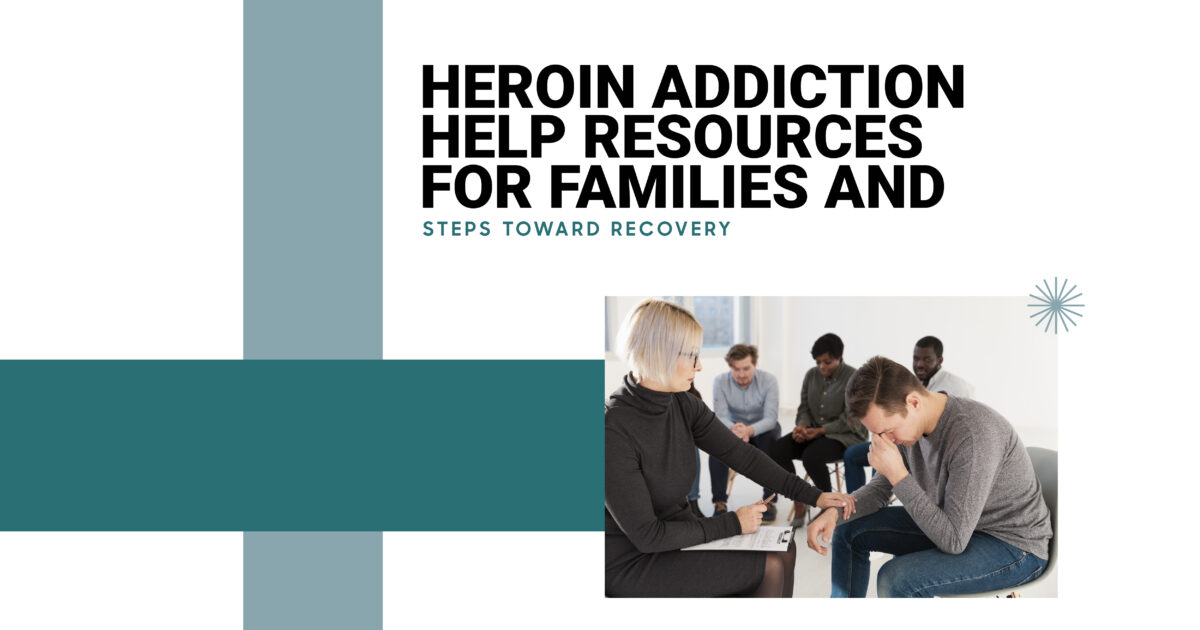

Heroin Addiction Help: Resources for Families and Steps Toward Recovery

When heroin addiction affects a family member, the entire household feels the devastating impact. Parents, spouses, children and siblings watch helplessly as their loved one struggles with a substance that hijacks the brain and body, creating dependence that seems impossible to overcome. Finding heroin addiction help becomes urgent, yet knowing where to start can feel overwhelming amid crisis and confusion.

The path from active addiction to lasting recovery exists, and families play a crucial role in supporting their loved ones along this journey. Understanding available resources, from detox centers that manage dangerous withdrawal to rehabilitation services providing comprehensive treatment, empowers families to take effective action. This guide outlines practical steps families can take and the recovery programs that offer hope for those battling heroin dependence.

Understanding Heroin Addiction and Its Impact on Families

Heroin addiction creates profound physical dependence that fundamentally changes brain chemistry and overwhelms the capacity for rational decision-making. The opioid binds to receptors throughout the brain and body, producing intense euphoria initially but quickly leading to tolerance, dependence and compulsive use despite catastrophic consequences.

How heroin addiction affects families:

  • Financial strain from supporting the addiction or its consequences
  • Emotional exhaustion from cycles of hope and disappointment
  • Breakdown of trust through deception and broken promises
  • Fear and anxiety about overdose and death
  • Neglect of other family members’ needs
  • Enabling behaviors that inadvertently perpetuate addiction
  • Trauma from witnessing overdoses or other crises

Families often experience grief for the person their loved one was before addiction took hold. Understanding that addiction is a medical condition affecting brain function, not a moral failure, helps families approach their loved one with compassion while still maintaining necessary boundaries.

Immediate Steps Families Can Take

When heroin addiction becomes apparent, families often feel paralyzed by fear and uncertainty. Taking immediate, concrete steps provides direction and begins the process of connecting loved ones with appropriate heroin addiction help.

Immediate ActionPurposeHow to Accomplish
Learn about addictionUnderstand the condition affecting your loved oneRead reputable sources, attend family education programs
Obtain naloxoneLife-saving overdose reversal medicationAvailable at pharmacies, often without prescription
Research treatment optionsPrepare for when your loved one is readyContact detox centers, rehabilitation services, insurance
Consult professionalsGet guidance on effective approachesSpeak with addiction counselors, intervention services
Connect with supportAddress your own needs and learn from othersJoin family support groups like Nar-Anon
Set boundariesProtect yourself while avoiding enablingWork with counselor to establish healthy limits

Having naloxone available and knowing how to use it can save your loved one’s life during an overdose. This medication rapidly reverses opioid effects and buys time for emergency medical response. Many communities offer free training and naloxone distribution.

Intervention Services and Motivating Change

When loved ones resist seeking help despite obvious consequences, intervention services can facilitate breakthrough conversations that motivate treatment engagement. Professional interventionists guide families through structured processes designed to compassionately confront denial while presenting clear treatment options.

Effective interventions require careful planning, including securing a treatment placement before the conversation occurs so immediate admission is possible if the person agrees. Family members prepare specific statements about how the addiction has affected them, expressing love and concern rather than anger or blame.

Components of effective intervention include:

  • Professional interventionist guidance throughout the process
  • Family preparation and rehearsal before the conversation
  • Pre-arranged treatment placement ready for immediate admission
  • Clear consequences if treatment is refused
  • Focus on love and concern rather than accusation
  • Follow through on stated consequences regardless of outcome

Not all interventions result in immediate treatment acceptance, but they plant seeds that may germinate later. Even when refused, the process clarifies family boundaries and demonstrates that help is available whenever the person becomes ready.

Detox Centers and Medical Stabilization

Heroin withdrawal produces intensely uncomfortable and potentially dangerous symptoms that require medical supervision. Detox centers provide safe environments where medical professionals manage withdrawal while preparing individuals for ongoing opioid treatment and recovery programs.

Withdrawal SymptomTimelineMedical Management
Anxiety, agitation6-12 hours after last useComfort medications, supportive care
Muscle aches, sweating12-24 hoursPain management, hydration
Nausea, vomiting, diarrhea24-72 hoursAnti-nausea medications, IV fluids if needed
Intense cravingsThroughout withdrawalMedication-assisted treatment initiation
InsomniaDays 1-7Sleep aids, environmental support
Depression, fatigueDays 3-10Monitoring, psychiatric support

Medical detox typically lasts five to seven days, though symptoms may persist longer. Many detox centers now initiate medication-assisted treatment during this phase, using medications like buprenorphine or methadone that reduce cravings and prevent withdrawal while blocking heroin’s euphoric effects.

Attempting home detox without medical supervision is dangerous and rarely successful. The intense discomfort drives most people back to heroin use, and medical complications can occur. Professional detox centers provide the safest, most effective path through withdrawal.

Recovery Programs and Rehabilitation Services

Detoxification alone is insufficient for lasting recovery. Comprehensive rehabilitation services address the psychological, behavioral and social factors that drive addiction, providing the foundation for sustained sobriety. Recovery programs vary in intensity and setting, allowing families to find options matching their loved one’s needs.

Residential treatment provides the highest level of structure, removing individuals from drug-using environments and providing 24/7 support during early recovery’s most vulnerable period. Programming includes individual and group therapy, education about addiction, life skills training, and aftercare planning.

Types of recovery programs include:

  • Residential rehabilitation lasting 30 to 90 days or longer
  • Partial hospitalization with intensive daytime treatment
  • Intensive outpatient programs meet multiple times weekly
  • Standard outpatient therapy for ongoing support
  • Long-term therapeutic communities for extended treatment
  • Faith-based programs incorporating spiritual elements

When choosing rehabilitation services, families should consider accreditation, staff credentials, treatment approaches, program length, and aftercare support. Insurance coverage, location, and specialized programming for co-occurring conditions also factor into decisions. Consulting with addiction professionals helps families navigate these choices.

Addiction Counseling and Therapeutic Approaches

Addiction counseling forms the core of effective substance abuse therapy, addressing the underlying issues that contribute to heroin use and building skills for maintaining recovery. Evidence-based therapeutic approaches have demonstrated effectiveness for opioid addiction when delivered by trained professionals.

Cognitive behavioral therapy helps individuals identify triggers, challenge distorted thinking patterns, and develop healthy coping strategies. This approach recognizes the connection between thoughts, feelings, and behaviors, empowering people to interrupt the automatic patterns that lead to drug use.

Effective therapeutic approaches include:

  • Cognitive behavioral therapy for skill building and trigger management
  • Motivational interviewing to strengthen commitment to change
  • Contingency management providing rewards for abstinence
  • Dialectical behavior therapy for emotional regulation
  • Trauma-focused therapy addressing underlying wounds
  • Family therapy to repair relationships and build support

Individual therapy provides personalized attention to each person’s unique circumstances, while group therapy offers peer support and shared learning. Most comprehensive programs combine both modalities, recognizing that different therapeutic contexts serve different purposes in recovery.

Support Groups for Families and Individuals

Support groups provide an ongoing community connection that sustains recovery long after formal treatment ends. For individuals in recovery, groups like Narcotics Anonymous offer peer support, accountability, and a structured framework for personal growth. For families, groups provide education, emotional support, and practical guidance.

Nar-Anon and similar family support groups help loved ones understand addiction, establish healthy boundaries, and care for their own well-being regardless of whether the addicted person seeks help. These groups recognize that family members need support and healing, too.

Support group resources include:

  • Narcotics Anonymous for individuals in recovery
  • Nar-Anon for families and loved ones
  • SMART Recovery offers science-based approaches
  • Celebrate Recovery for faith-based support
  • Online meetings provide an accessible connection
  • Local community recovery organizations

Regular participation in support groups correlates strongly with sustained recovery. The community aspect provides social connection, reduces isolation, and offers hope through witnessing others’ success stories.

Medication-Assisted Treatment Options

Medication-assisted treatment represents the gold standard for opioid treatment, combining FDA-approved medications with counseling and behavioral therapies. These medications reduce cravings, prevent withdrawal and block heroin’s effects, dramatically improving treatment retention and reducing overdose risk.

Buprenorphine, methadone and naltrexone each work differently but share the goal of stabilizing brain chemistry disrupted by heroin use. Medication-assisted treatment is not substituting one addiction for another but rather providing medical management for a chronic brain condition, similar to medications for diabetes or hypertension.

Families should seek recovery programs that offer medication-assisted treatment as an option, recognizing that this approach saves lives and produces better outcomes than abstinence-only treatment for many individuals with opioid addiction.

Pressing Reset: A New Chapter With Reset Behavioral Health

Finding heroin addiction help for a loved one requires courage, persistence and access to quality resources. While the journey from active addiction to lasting recovery presents significant challenges, comprehensive treatment combining medical stabilization, evidence-based therapy, and ongoing support produces real results. Families who educate themselves, establish healthy boundarie,s and connect with professional resources give their loved ones the best chance at recovery.

Reset Behavioral Health provides comprehensive opioid treatment designed to address heroin addiction’s complex physical and psychological dimensions. Our experienced team offers medically supervised detox, evidence-based addiction counseling and individualized recovery programs that address each person’s unique needs. We understand the devastation heroin addiction causes families, and we provide compassionate support for everyone affected.

Whether your loved one is ready for treatment today or you need guidance on how to help them reach that point, professional support is available. Contact Reset Behavioral Health today to learn more about our heroin addiction treatment programs and intervention services, and take the first step toward healing for your entire family.

FAQs

1. How can families initiate immediate steps for helping a loved one with heroin addiction?

Families should begin by educating themselves about addiction as a medical condition, obtaining naloxone for overdose emergencies and researching treatment options so they are prepared when their loved one becomes ready. Consulting with addiction professionals provides guidance on effective approaches, while connecting with family support groups addresses caregivers’ own needs. Setting healthy boundaries with professional guidance protects family members while avoiding enabling behaviors that perpetuate addiction.

2. What detox centers and opioid treatment options are available for heroin addiction recovery?

Detox centers provide medically supervised withdrawal management where professionals administer medications to ease symptoms and prevent complications over a typical five to seven-day period. Many facilities now initiate medication-assisted treatment during detox using buprenorphine, methadone or naltrexone to reduce cravings and stabilize brain chemistry. Medical detox provides the safest path through withdrawal and prepares individuals for ongoing treatment in rehabilitation services.

3. What should families consider when choosing recovery programs and rehabilitation services for heroin addiction?

Families should evaluate program accreditation, staff credentials, evidence-based treatment approaches and whether medication-assisted treatment is available as an option. Program length, aftercare support, insurance coverage and specialized services for co-occurring mental health conditions all factor into appropriate selection. Consulting with addiction professionals helps families navigate these choices and find programs matching their loved one’s specific needs and circumstances.

4. How do addiction counseling and substance abuse therapy approaches support heroin recovery?

Addiction counseling addresses the psychological and behavioral factors driving heroin use through evidence-based approaches like cognitive behavioral therapy that identify triggers and build healthy coping strategies. Therapeutic modalities, including motivational interviewing, trauma-focused therapy and family therapy, address different dimensions of addiction and recovery. Both individual and group therapy formats serve important purposes, with most comprehensive programs combining multiple approaches for optimal outcomes.

5. What role do support groups play for families and loved ones of those struggling with heroin addiction?

Support groups like Nar-Anon provide families with education about addiction, emotional support from others facing similar challenges, and practical guidance for establishing healthy boundaries. These groups help family members understand they did not cause the addiction and cannot control it, while focusing on their own healing regardless of their loved one’s choices. For individuals in recovery, groups like Narcotics Anonymous offer peer accountability and community connection that sustain long-term sobriety.

Cocaine Addiction Help: Resources and Strategies for Recovery

Finding cocaine addiction help marks a pivotal turning point for individuals trapped in the cycle of stimulant dependence. Cocaine’s powerful effects on the brain’s reward system create intense cravings and psychological dependence that make quitting without professional support extremely difficult. The good news is that effective substance abuse treatment exists, and with the right combination of resources and strategies, lasting recovery is achievable.

Understanding the full spectrum of available help empowers individuals and families to make informed treatment decisions. From drug detox programs that manage the initial withdrawal phase to addiction counseling that addresses underlying issues, multiple pathways lead toward sobriety. This guide explores the resources and strategies that support successful cocaine addiction recovery, providing practical information for those ready to reclaim their lives.

Understanding Cocaine Addiction and Its Challenges

Cocaine addiction develops through the drug’s profound impact on brain chemistry, particularly the dopamine system responsible for pleasure and reward. Unlike some substances that create physical dependence, cocaine primarily produces intense psychological addiction characterized by powerful cravings and compulsive drug-seeking behavior despite devastating consequences.

Challenges specific to cocaine addiction include:

  • Intense cravings that can persist for months after stopping use
  • Psychological dependence without typical physical withdrawal symptoms
  • Crash period involving depression, fatigue and increased appetite
  • High relapse rates without comprehensive treatment
  • Frequent co-occurring mental health conditions
  • Social and environmental triggers tied to drug use patterns

The absence of severe physical withdrawal sometimes leads people to underestimate how difficult cocaine recovery can be. While cocaine detox does not carry the same medical risks as alcohol or opioid withdrawal, the psychological challenges require specialized treatment approaches and sustained support.

Drug Detox Programs and Initial Stabilization

The first phase of cocaine addiction typically involves stabilization and assessment through drug detox programs. While cocaine withdrawal is not medically dangerous like some substances, the crash period produces significant symptoms that benefit from professional monitoring and support.

Withdrawal PhaseTimelineCommon SymptomsTreatment Focus
Crash PhaseDays 1-3Exhaustion, increased sleep, depression, irritabilityRest, nutrition, and monitoring for safety
Acute WithdrawalDays 4-10Intense cravings, anxiety, difficulty concentratingSymptom management, craving support
Extended WithdrawalWeeks 2-10Lingering cravings, mood instability, and anhedoniaTherapeutic engagement, relapse prevention
Post-Acute PhaseMonths 2-6Intermittent cravings, emotional regulation challengesOngoing treatment, support maintenance

Professional detox provides a safe, supportive environment during this vulnerable period. Medical staff monitor for complications, provide comfort measures and begin the process of engaging individuals in ongoing treatment. The structured setting removes access to cocaine and reduces environmental triggers that could undermine early recovery efforts.

Rehab Centers and Comprehensive Treatment

Rehab centers offer structured, comprehensive substance abuse treatment that addresses cocaine addiction’s multiple dimensions. These programs provide the intensity and focus needed to establish a foundation for lasting recovery, particularly for those with severe addiction or previous unsuccessful quit attempts.

Residential treatment removes individuals from environments associated with drug use, providing 24/7 support and structure during early recovery’s most vulnerable period. Programming typically includes individual therapy, group sessions, educational components and skill-building activities designed to prepare clients for sober living.

Components of comprehensive rehab include:

  • Thorough assessment and individualized treatment planning
  • Evidence-based therapies addressing addiction and co-occurring issues
  • Group therapy provides peer support and shared learning
  • Family programming to repair relationships and build support
  • Life skills training for managing responsibilities in recovery
  • Aftercare planning connecting clients to ongoing resources

The duration of residential treatment varies based on individual needs, ranging from 28 days to 90 days or longer. Research consistently shows that longer treatment engagement produces better outcomes, though the optimal length depends on addiction severity, co-occurring conditions and available support systems.

Addiction Counseling and Therapeutic Approaches

Addiction counseling forms the core of effective cocaine addiction help, addressing the psychological factors that drive compulsive use and building skills for sustained recovery. Various therapeutic approaches have demonstrated effectiveness for stimulant addiction, often used in combination to address different aspects of the recovery process.

Therapy TypeFocus and MethodsEffectiveness for Cocaine
Cognitive Behavioral TherapyIdentifying triggers, changing thought patterns, and building coping skillsStrong evidence base, reduces use and improves outcomes
Contingency ManagementTangible rewards for verified abstinence and treatment engagementHighly effective for stimulant addiction specifically
Motivational InterviewingExploring ambivalence, strengthening commitment to changeEnhances treatment engagement and retention
Matrix ModelIntensive outpatient combining multiple approachesDeveloped specifically for stimulant addiction
Dialectical Behavior TherapyEmotional regulation and distress tolerance skillsHelpful for co-occurring emotional dysregulation
Family TherapyImproving communication and addressing relationship dynamicsStrengthens support system for recovery

Contingency management deserves particular mention for cocaine addiction. This approach provides tangible rewards, such as vouchers or prizes, for negative drug tests and treatment participation. Research shows exceptional effectiveness for stimulant addiction, making it a valuable component of comprehensive treatment programming.

Outpatient Therapy and Flexible Treatment Options

Outpatient therapy provides cocaine addiction help for individuals who cannot attend residential treatment or who are stepping down from more intensive care. These programs allow continued work, school, or family responsibilities while providing structured support for recovery.

Intensive outpatient programs typically involve nine or more hours of treatment weekly, often including multiple group sessions, individual counseling, and drug testing. Standard outpatient care provides less intensive support through weekly therapy sessions and may be appropriate for those with milder addiction or strong support systems.

Outpatient treatment benefits include:

  • Ability to maintain work, school, and family responsibilities
  • Practice applying recovery skills in real-world settings
  • Lower cost than residential treatment options
  • Flexibility in scheduling and program intensity
  • Gradual transition to independent recovery
  • Continued connection to treatment support over time

The Matrix Model, developed specifically for stimulant addiction, exemplifies effective outpatient programming. This 16-week intensive outpatient approach combines cognitive behavioral therapy, family education, 12-step participation, and regular drug testing into a structured format with strong research support.

Recovery Support Groups and Peer Connection

Recovery support groups provide an ongoing community connection that sustains sobriety long after formal treatment ends. These free, widely available resources offer peer support, accountability, and a sense of belonging that protects against isolation and relapse.

Twelve-step programs like Cocaine Anonymous follow the model established by Alcoholics Anonymous, providing structured meetings, sponsorship relationships and a framework for personal growth. The fellowship aspect creates social connections with others who understand addiction’s challenges and can offer practical support during difficult times.

Support group options include:

  • Cocaine Anonymous and Narcotics Anonymous
  • SMART Recovery offers science-based approaches
  • Celebrate Recovery for faith-based support
  • Refuge Recovery, incorporating mindfulness practices
  • Online meetings provide an accessible connection
  • Young people’s meetings for age-specific support

Regular meeting attendance correlates strongly with sustained recovery. Many individuals attend daily meetings during early recovery, gradually reducing frequency as stability increases while maintaining a consistent connection to the recovery community.

Sober Living Homes and Transitional Support

Sober living homes provide structured, substance-free housing that bridges the gap between intensive treatment and fully independent living. These residences offer accountability, peer support, and a stable environment while individuals rebuild their lives in recovery.

Residents typically share household responsibilities, attend house meetings, submit to regular drug testing, and maintain employment or educational activities. The peer environment creates natural accountability and connection with others committed to sobriety.

Benefits of sober living include:

  • Structured, drug-free living environment
  • Peer support from others in recovery
  • Accountability through house rules and drug testing
  • Time to establish stability before independent living
  • Practice managing responsibilities while maintaining sobriety
  • Gradual transition reducing relapse risk

For those leaving residential treatment, sober living homes extend the supportive environment while allowing increasing independence. This transitional step proves particularly valuable for individuals returning to challenging home environments or lacking stable housing options.

Mental Health Services and Dual Diagnosis Care

Mental health services represent a crucial component of comprehensive cocaine addiction help because co-occurring conditions occur frequently among those struggling with stimulant addiction. Depression, anxiety, trauma-related disorders and attention deficit conditions commonly accompany cocaine use, sometimes predating addiction and sometimes resulting from it.

Dual diagnosis treatment addresses both addiction and mental health conditions simultaneously, recognizing that untreated psychiatric symptoms often drive relapse. Integrated care ensures that treatment approaches for each condition complement rather than conflict with each other.

A thorough psychiatric evaluation should occur early in treatment, with ongoing mental health support throughout recovery. Medication management, when appropriate, can stabilize mood and reduce symptoms that might otherwise undermine sobriety efforts.

Ready to Reset: Your New Beginning With Reset Behavioral Health

Seeking cocaine addiction help opens the door to freedom from the devastating cycle of stimulant dependence. While recovery requires commitment and effort, the comprehensive resources available today, from drug detox programs through ongoing support groups, provide every tool needed for success. No one needs to face this challenge alone, and professional guidance significantly improves outcomes.

Reset Behavioral Health offers comprehensive substance abuse treatment designed to address cocaine addiction’s unique challenges. Our experienced team provides individualized care, including medical stabilization, evidence-based addiction counseling, and thorough mental health services that address co-occurring conditions. We understand that each person’s path to addiction is unique, and we create treatment plans that reflect individual needs and circumstances.

Whether you are taking the first steps toward recovery or seeking support after a setback, help is available. Contact Reset Behavioral Health today to learn more about our cocaine addiction treatment programs and begin your journey toward lasting sobriety and renewed life.

FAQs

1. What are the most effective cocaine addiction help resources available for recovery?

The most effective resources include professional rehab centers offering comprehensive treatment, evidence-based addiction counseling using approaches like cognitive behavioral therapy and contingency management, and ongoing recovery support groups providing peer connection. Drug detox programs provide safe initial stabilization, while sober living homes offer structured transitional housing. Mental health services addressing co-occurring conditions round out comprehensive care that produces the best outcomes.

2. How can rehab centers and drug detox programs assist in cocaine addiction recovery?

Rehab centers provide structured, comprehensive treatment that addresses addiction’s physical, psychological, and social dimensions through individual therapy, group sessions, and skill-building activities. Drug detox programs offer medical monitoring and support during the initial crash and withdrawal period, managing symptoms and preventing early relapse. Both settings remove individuals from drug-using environments and provide the intensive focus needed to establish a strong recovery foundation.

3. In what ways do addiction counseling and outpatient therapy contribute to long-term recovery from cocaine addiction?

Addiction counseling addresses the psychological factors driving compulsive use through evidence-based approaches like cognitive behavioral therapy that identify triggers and build coping skills. Outpatient therapy provides flexible ongoing support that allows individuals to maintain responsibilities while practicing recovery skills in real-world settings. The Matrix Model, developed specifically for stimulant addiction, exemplifies effective outpatient programming combining multiple therapeutic approaches.

4. How do recovery support groups and sober living homes facilitate lasting recovery from cocaine addiction?

Recovery support groups like Cocaine Anonymous provide free, ongoing peer support, accountability, and social connection with others who understand addiction’s challenges. Sober living homes offer structured, substance-free housing with built-in accountability through house rules, drug testing and peer support. Both resources extend support beyond formal treatment, creating a community connection that sustains sobriety during the vulnerable transition to independent living.

5. Why are mental health services and dual diagnosis care important in cocaine addiction?

Mental health services are crucial because co-occurring conditions like depression, anxiety, and trauma-related disorders frequently accompany cocaine addiction, often driving continued use and relapse if left untreated. Dual diagnosis treatment addresses both addiction and psychiatric conditions simultaneously, ensuring integrated care where treatment approaches complement rather than conflict. Thorough psychiatric evaluation and ongoing mental health support stabilize symptoms that might otherwise undermine recovery efforts.

Help With Alcoholism: Practical Steps for Recovery and Support

Seeking help with alcoholism represents one of the most courageous decisions a person can make. Alcohol addiction affects millions of individuals and families, creating cycles of dependence that feel impossible to break without proper support and resources. The good news is that effective alcohol addiction treatment exists, and countless people have successfully navigated the path from active addiction to lasting sobriety.

Understanding the practical steps involved in overcoming alcoholism empowers individuals to take action and helps families support their loved ones effectively. From recognizing when an alcoholism intervention is needed to maintaining long-term recovery, this guide outlines the journey toward sobriety and the alcohol recovery resources available along the way. Recovery is possible, and it begins with understanding your options.

Recognizing When Help Is Needed

Acknowledging that alcohol use has become problematic is often the most difficult first step. Denial is a hallmark of addiction, and many individuals minimize their drinking or its consequences long after problems become apparent to others. Understanding the warning signs helps identify when alcohol abuse support becomes necessary.

Warning signs that indicate a need for help include:

  • Drinking more or longer than intended on a regular basis
  • Failed attempts to cut down or control alcohol consumption
  • Significant time spent obtaining, using or recovering from alcohol
  • Cravings or strong urges to drink
  • Continued drinking despite relationship, work or health problems
  • Giving up important activities in favor of drinking
  • Developing tolerance requires more alcohol for the same effect
  • Experiencing withdrawal symptoms when not drinking

When these signs appear, seeking professional evaluation provides clarity about the severity of the problem and appropriate treatment options. Early intervention typically produces better outcomes, though recovery remains possible regardless of how long someone has struggled with alcohol.

Understanding Alcohol Addiction Treatment Options

Alcohol addiction treatment encompasses various approaches and settings designed to meet different needs and circumstances. The appropriate level of care depends on factors including addiction severity, medical history, co-occurring mental health conditions and personal responsibilities.

Treatment LevelDescriptionBest Suited For
Medical DetoxificationSupervised withdrawal management with medical supportThose with physical dependence, heavy daily drinking
Inpatient RehabilitationResidential treatment with 24/7 structure and supportSevere addiction, failed outpatient attempts, unstable home environment
Partial HospitalizationIntensive daytime treatment while living at homeModerate severity, stable housing, need for intensive support
Intensive OutpatientSeveral hours of treatment, multiple days weeklyStep down from higher care, work or family obligations
Standard OutpatientWeekly therapy and support sessionsMild to moderate severity, strong support system
Medication-Assisted TreatmentMedications combined with counselingCraving management, relapse prevention support

Alcohol rehab centers offer comprehensive programming that addresses the physical, psychological, and social dimensions of addiction. Quality programs provide individualized treatment plans, recognizing that each person’s path to addiction and recovery is unique.

The Role of Medical Detoxification

For individuals with significant physical dependence on alcohol, medical detoxification provides a critical first step in treatment. Alcohol withdrawal can produce serious, potentially life-threatening symptoms that require professional monitoring and management.

Withdrawal symptoms may include:

  • Anxiety, irritability, and mood disturbances
  • Tremors, sweating, and elevated heart rate
  • Nausea, vomiting, and appetite loss
  • Insomnia and sleep disturbances
  • Seizures in severe cases
  • Delirium tremens, a medical emergency

Medical detox provides medications that reduce withdrawal severity and prevent complications while keeping patients safe and comfortable. This supervised process typically lasts three to seven days, after which individuals transition to ongoing treatment addressing the psychological and behavioral aspects of addiction.

Attempting to detox without medical supervision can be dangerous and increases the likelihood of returning to drinking to relieve withdrawal discomfort. Professional detox sets the foundation for successful engagement in subsequent treatment.

Alcohol Counseling Services and Therapy Approaches

Effective alcohol addiction treatment extends far beyond physical stabilization to address the underlying factors driving addictive behavior. Alcohol counseling services employ various therapeutic approaches that help individuals understand their addiction, develop coping skills, and build sustainable recovery.

Therapy ApproachFocus and MethodsKey Benefits
Cognitive Behavioral TherapyIdentifying and changing thought patterns and behaviorsDevelops practical coping skills, addresses triggers
Motivational InterviewingExploring ambivalence and building motivation for changeEnhances treatment engagement, respects autonomy
Dialectical Behavior TherapyEmotional regulation and distress tolerance skillsHelps manage intense emotions without drinking
Family TherapyImproving family dynamics and communicationRepairs relationships, builds a support system
Group TherapyPeer support and shared experienceReduces isolation, provides accountability
12-Step FacilitationEngagement with AA principles and fellowshipConnects to ongoing community support

Most comprehensive treatment programs integrate multiple therapeutic approaches, creating individualized plans that address each person’s specific needs. The therapeutic relationship itself serves as a powerful healing factor, providing support and accountability throughout the recovery process.

Sobriety Programs and Ongoing Support

Completing initial treatment represents an important milestone, but overcoming alcoholism requires ongoing commitment and support. Sobriety programs provide structure and community that sustain recovery long after formal treatment ends.

Twelve-step programs like Alcoholics Anonymous offer free, widely available peer support based on shared experience and mutual accountability. These programs have helped millions achieve and maintain sobriety through regular meetings, sponsorship relationships and a structured approach to personal growth.

Ongoing support options include:

  • Alcoholics Anonymous and other 12-step fellowships
  • SMART Recovery and other evidence-based alternatives
  • Sober living residences providing transitional housing
  • Alumni programs offered by treatment centers
  • Individual therapy for continued personal work
  • Recovery coaching and peer support specialists

The diversity of alcohol recovery resources means individuals can find support approaches that fit their preferences and beliefs. What matters most is consistent engagement with some form of ongoing support rather than attempting to maintain sobriety in isolation.

Building a Strong Support Network

Recovery thrives in connection with others who understand the challenges involved and support sobriety goals. Building a strong support network provides accountability, encouragement during difficult times, and social connection that does not center on drinking.

Family involvement often plays a crucial role in successful recovery. Family members benefit from education about addiction as a disease, learning how to support recovery without enabling, and addressing their own needs through programs like Al-Anon. Healing family relationships damaged by addiction takes time but it strengthens the foundation for lasting sobriety.

Elements of a strong support network include:

  • Family members are committed to supporting recovery
  • Sober friends and recovery community connections
  • Sponsor or mentor with established sobriety
  • Treatment professionals for ongoing care
  • Supportive workplace or school environment
  • Faith community or other meaningful group memberships

Social support serves as one of the strongest predictors of long-term recovery success. Investing in relationship building and community connection pays dividends throughout the recovery journey.

Preventing Relapse and Maintaining Sobriety

Relapse prevention represents a crucial component of any comprehensive recovery plan. Understanding personal triggers, developing coping strategies, and knowing when to seek additional help protects the progress made in treatment.

Relapse often follows a predictable pattern beginning with emotional changes, then mental shifts and finally behavioral choices that lead back to drinking. Recognizing early warning signs enables intervention before actual alcohol use occurs.

Practical relapse prevention strategies include:

  • Identifying personal triggers and high-risk situations
  • Developing specific coping plans for challenging moments
  • Maintaining regular attendance at support meetings
  • Continuing therapy or counseling as needed
  • Practicing stress management and self-care
  • Building meaningful activities and purpose in sobriety
  • Reaching out for help immediately when struggling

If relapse does occur, it does not erase previous progress or mean recovery is impossible. Many people experience setbacks before achieving lasting sobriety. The key is returning to treatment and support quickly rather than allowing a slip to become a prolonged return to active addiction.

Pressing Reset: Your Fresh Start With Reset Behavioral Health

Finding help with alcoholism opens the door to a life free from the control of addiction. While the journey requires commitment and effort, the rewards of sobriety, including restored health, repaired relationships and renewed purpose, make every step worthwhile. No one needs to face this challenge alone, and effective alcohol abuse support is available for those ready to make a change.

Reset Behavioral Health provides comprehensive alcohol addiction treatment designed to meet individuals wherever they are in their recovery journey. Our experienced team offers medical detoxification, evidence-based therapy approaches and individualized treatment planning that addresses the full spectrum of factors contributing to alcohol dependence. We understand that seeking help takes courage, and we provide compassionate care in a supportive environment.

Whether you are taking the first steps toward sobriety or seeking support after a setback, professional help can make the difference. Contact Reset Behavioral Health today to learn more about our alcohol rehab programs and begin your journey toward lasting recovery.

FAQs

1. What are the early warning signs of alcohol abuse that indicate a need for intervention?

Early warning signs include drinking more or longer than intended, failed attempts to cut down, spending significant time obtaining or recovering from alcohol and continuing to drink despite negative consequences. Physical indicators such as increased tolerance requiring more alcohol for the same effect and experiencing withdrawal symptoms when not drinking suggest physical dependence has developed. When drinking begins interfering with work, relationships or health, professional evaluation and alcoholism intervention become important considerations.

2. Which practical steps can be taken to prevent a relapse after overcoming alcoholism?

Practical relapse prevention involves identifying personal triggers and high-risk situations, then developing specific coping plans for managing these challenges without drinking. Maintaining regular attendance at support meetings, continuing therapy, and practicing daily stress management and self-care protects sobriety during difficult periods. Building meaningful activities, purpose and sober social connections provides positive reasons to stay committed to recovery beyond simply avoiding alcohol.

3. What types of alcohol addiction treatment options are available at alcohol rehab centers?

Alcohol rehab centers offer multiple levels of care, including medical detoxification for safe withdrawal management, inpatient rehabilitation providing 24/7 structured support, and various outpatient intensities for those with work or family obligations. Treatment typically includes individual and group therapy, education about addiction, skill-building workshops, and aftercare planning. Many centers also provide medication-assisted treatment using FDA-approved medications that reduce cravings and support sustained recovery.

4. How can sobriety programs and recovery resources support long-term alcohol recovery?

Sobriety programs like Alcoholics Anonymous and SMART Recovery provide ongoing peer support, accountability, and community connection that sustain recovery after formal treatment ends. These programs offer regular meetings, mentorship relationships, and structured approaches to personal growth that address the ongoing challenges of maintaining sobriety. Additional recovery resources, including sober living residences, alumni programs, and recovery coaching, extend support networks and assist during vulnerable transition periods.

5. What role do family and community support networks play in building a long-term sobriety plan?

Family and community support networks provide accountability, encouragement, and social connection essential for sustained recovery, with research consistently showing social support as one of the strongest predictors of long-term success. Family members benefit from education about addiction and programs like Al-Anon that help them support recovery without enabling while addressing their own needs. Building diverse connections, including sober friends, sponsors, treatment professionals, and meaningful community memberships, creates a robust foundation that sustains sobriety through life’s inevitable challenges.