

Heroin Addiction Help: Resources for Families and Steps Toward Recovery

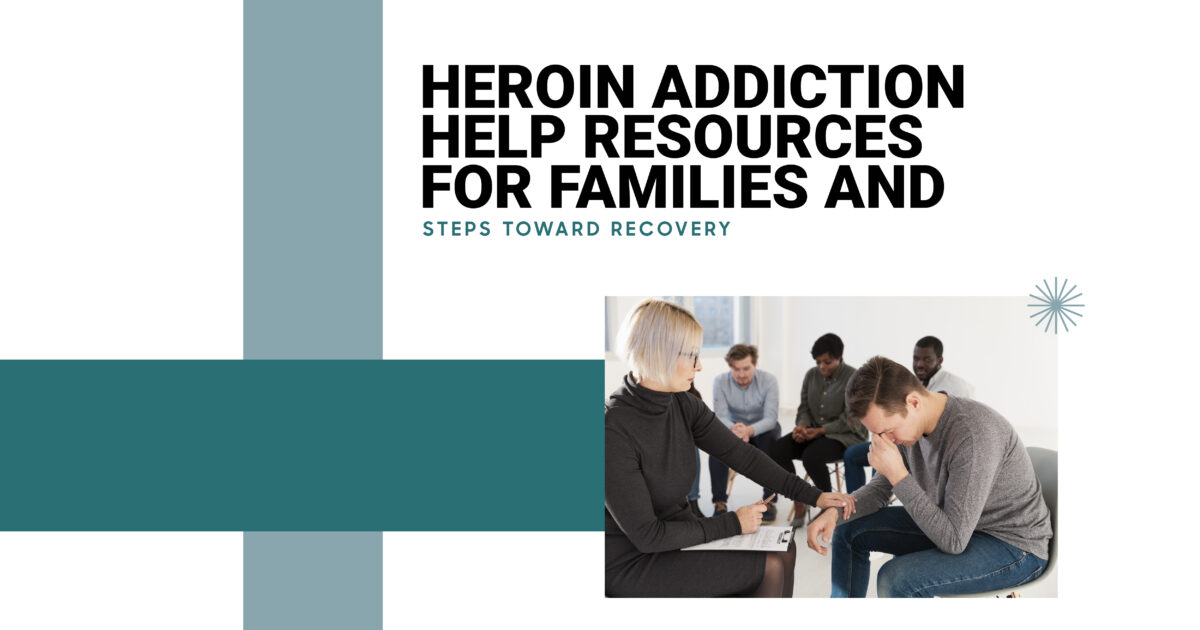
When heroin addiction affects a family member, the entire household feels the devastating impact. Parents, spouses, children and siblings watch helplessly as their loved one struggles with a substance that hijacks the brain and body, creating dependence that seems impossible to overcome. Finding heroin addiction help becomes urgent, yet knowing where to start can feel overwhelming amid crisis and confusion.
The path from active addiction to lasting recovery exists, and families play a crucial role in supporting their loved ones along this journey. Understanding available resources, from detox centers that manage dangerous withdrawal to rehabilitation services providing comprehensive treatment, empowers families to take effective action. This guide outlines practical steps families can take and the recovery programs that offer hope for those battling heroin dependence.
Understanding Heroin Addiction and Its Impact on Families
Heroin addiction creates profound physical dependence that fundamentally changes brain chemistry and overwhelms the capacity for rational decision-making. The opioid binds to receptors throughout the brain and body, producing intense euphoria initially but quickly leading to tolerance, dependence and compulsive use despite catastrophic consequences.
How heroin addiction affects families:
- Financial strain from supporting the addiction or its consequences
- Emotional exhaustion from cycles of hope and disappointment
- Breakdown of trust through deception and broken promises
- Fear and anxiety about overdose and death
- Neglect of other family members’ needs
- Enabling behaviors that inadvertently perpetuate addiction
- Trauma from witnessing overdoses or other crises
Families often experience grief for the person their loved one was before addiction took hold. Understanding that addiction is a medical condition affecting brain function, not a moral failure, helps families approach their loved one with compassion while still maintaining necessary boundaries.
Immediate Steps Families Can Take
When heroin addiction becomes apparent, families often feel paralyzed by fear and uncertainty. Taking immediate, concrete steps provides direction and begins the process of connecting loved ones with appropriate heroin addiction help.
| Immediate Action | Purpose | How to Accomplish |
| Learn about addiction | Understand the condition affecting your loved one | Read reputable sources, attend family education programs |
| Obtain naloxone | Life-saving overdose reversal medication | Available at pharmacies, often without prescription |
| Research treatment options | Prepare for when your loved one is ready | Contact detox centers, rehabilitation services, insurance |
| Consult professionals | Get guidance on effective approaches | Speak with addiction counselors, intervention services |
| Connect with support | Address your own needs and learn from others | Join family support groups like Nar-Anon |
| Set boundaries | Protect yourself while avoiding enabling | Work with counselor to establish healthy limits |
Having naloxone available and knowing how to use it can save your loved one’s life during an overdose. This medication rapidly reverses opioid effects and buys time for emergency medical response. Many communities offer free training and naloxone distribution.

Intervention Services and Motivating Change
When loved ones resist seeking help despite obvious consequences, intervention services can facilitate breakthrough conversations that motivate treatment engagement. Professional interventionists guide families through structured processes designed to compassionately confront denial while presenting clear treatment options.
Effective interventions require careful planning, including securing a treatment placement before the conversation occurs so immediate admission is possible if the person agrees. Family members prepare specific statements about how the addiction has affected them, expressing love and concern rather than anger or blame.
Components of effective intervention include:
- Professional interventionist guidance throughout the process
- Family preparation and rehearsal before the conversation
- Pre-arranged treatment placement ready for immediate admission
- Clear consequences if treatment is refused
- Focus on love and concern rather than accusation
- Follow through on stated consequences regardless of outcome
Not all interventions result in immediate treatment acceptance, but they plant seeds that may germinate later. Even when refused, the process clarifies family boundaries and demonstrates that help is available whenever the person becomes ready.
Detox Centers and Medical Stabilization
Heroin withdrawal produces intensely uncomfortable and potentially dangerous symptoms that require medical supervision. Detox centers provide safe environments where medical professionals manage withdrawal while preparing individuals for ongoing opioid treatment and recovery programs.
| Withdrawal Symptom | Timeline | Medical Management |
| Anxiety, agitation | 6-12 hours after last use | Comfort medications, supportive care |
| Muscle aches, sweating | 12-24 hours | Pain management, hydration |
| Nausea, vomiting, diarrhea | 24-72 hours | Anti-nausea medications, IV fluids if needed |
| Intense cravings | Throughout withdrawal | Medication-assisted treatment initiation |
| Insomnia | Days 1-7 | Sleep aids, environmental support |
| Depression, fatigue | Days 3-10 | Monitoring, psychiatric support |
Medical detox typically lasts five to seven days, though symptoms may persist longer. Many detox centers now initiate medication-assisted treatment during this phase, using medications like buprenorphine or methadone that reduce cravings and prevent withdrawal while blocking heroin’s euphoric effects.
Attempting home detox without medical supervision is dangerous and rarely successful. The intense discomfort drives most people back to heroin use, and medical complications can occur. Professional detox centers provide the safest, most effective path through withdrawal.
Recovery Programs and Rehabilitation Services
Detoxification alone is insufficient for lasting recovery. Comprehensive rehabilitation services address the psychological, behavioral and social factors that drive addiction, providing the foundation for sustained sobriety. Recovery programs vary in intensity and setting, allowing families to find options matching their loved one’s needs.
Residential treatment provides the highest level of structure, removing individuals from drug-using environments and providing 24/7 support during early recovery’s most vulnerable period. Programming includes individual and group therapy, education about addiction, life skills training, and aftercare planning.
Types of recovery programs include:
- Residential rehabilitation lasting 30 to 90 days or longer
- Partial hospitalization with intensive daytime treatment
- Intensive outpatient programs meet multiple times weekly
- Standard outpatient therapy for ongoing support
- Long-term therapeutic communities for extended treatment
- Faith-based programs incorporating spiritual elements
When choosing rehabilitation services, families should consider accreditation, staff credentials, treatment approaches, program length, and aftercare support. Insurance coverage, location, and specialized programming for co-occurring conditions also factor into decisions. Consulting with addiction professionals helps families navigate these choices.
Addiction Counseling and Therapeutic Approaches
Addiction counseling forms the core of effective substance abuse therapy, addressing the underlying issues that contribute to heroin use and building skills for maintaining recovery. Evidence-based therapeutic approaches have demonstrated effectiveness for opioid addiction when delivered by trained professionals.
Cognitive behavioral therapy helps individuals identify triggers, challenge distorted thinking patterns, and develop healthy coping strategies. This approach recognizes the connection between thoughts, feelings, and behaviors, empowering people to interrupt the automatic patterns that lead to drug use.
Effective therapeutic approaches include:
- Cognitive behavioral therapy for skill building and trigger management
- Motivational interviewing to strengthen commitment to change
- Contingency management providing rewards for abstinence
- Dialectical behavior therapy for emotional regulation
- Trauma-focused therapy addressing underlying wounds
- Family therapy to repair relationships and build support
Individual therapy provides personalized attention to each person’s unique circumstances, while group therapy offers peer support and shared learning. Most comprehensive programs combine both modalities, recognizing that different therapeutic contexts serve different purposes in recovery.
Support Groups for Families and Individuals
Support groups provide an ongoing community connection that sustains recovery long after formal treatment ends. For individuals in recovery, groups like Narcotics Anonymous offer peer support, accountability, and a structured framework for personal growth. For families, groups provide education, emotional support, and practical guidance.
Nar-Anon and similar family support groups help loved ones understand addiction, establish healthy boundaries, and care for their own well-being regardless of whether the addicted person seeks help. These groups recognize that family members need support and healing, too.
Support group resources include:
- Narcotics Anonymous for individuals in recovery
- Nar-Anon for families and loved ones
- SMART Recovery offers science-based approaches
- Celebrate Recovery for faith-based support
- Online meetings provide an accessible connection
- Local community recovery organizations
Regular participation in support groups correlates strongly with sustained recovery. The community aspect provides social connection, reduces isolation, and offers hope through witnessing others’ success stories.
Medication-Assisted Treatment Options
Medication-assisted treatment represents the gold standard for opioid treatment, combining FDA-approved medications with counseling and behavioral therapies. These medications reduce cravings, prevent withdrawal and block heroin’s effects, dramatically improving treatment retention and reducing overdose risk.
Buprenorphine, methadone and naltrexone each work differently but share the goal of stabilizing brain chemistry disrupted by heroin use. Medication-assisted treatment is not substituting one addiction for another but rather providing medical management for a chronic brain condition, similar to medications for diabetes or hypertension.
Families should seek recovery programs that offer medication-assisted treatment as an option, recognizing that this approach saves lives and produces better outcomes than abstinence-only treatment for many individuals with opioid addiction.
Pressing Reset: A New Chapter With Reset Behavioral Health
Finding heroin addiction help for a loved one requires courage, persistence and access to quality resources. While the journey from active addiction to lasting recovery presents significant challenges, comprehensive treatment combining medical stabilization, evidence-based therapy, and ongoing support produces real results. Families who educate themselves, establish healthy boundarie,s and connect with professional resources give their loved ones the best chance at recovery.

Reset Behavioral Health provides comprehensive opioid treatment designed to address heroin addiction’s complex physical and psychological dimensions. Our experienced team offers medically supervised detox, evidence-based addiction counseling and individualized recovery programs that address each person’s unique needs. We understand the devastation heroin addiction causes families, and we provide compassionate support for everyone affected.
Whether your loved one is ready for treatment today or you need guidance on how to help them reach that point, professional support is available. Contact Reset Behavioral Health today to learn more about our heroin addiction treatment programs and intervention services, and take the first step toward healing for your entire family.
FAQs
1. How can families initiate immediate steps for helping a loved one with heroin addiction?
Families should begin by educating themselves about addiction as a medical condition, obtaining naloxone for overdose emergencies and researching treatment options so they are prepared when their loved one becomes ready. Consulting with addiction professionals provides guidance on effective approaches, while connecting with family support groups addresses caregivers’ own needs. Setting healthy boundaries with professional guidance protects family members while avoiding enabling behaviors that perpetuate addiction.
2. What detox centers and opioid treatment options are available for heroin addiction recovery?
Detox centers provide medically supervised withdrawal management where professionals administer medications to ease symptoms and prevent complications over a typical five to seven-day period. Many facilities now initiate medication-assisted treatment during detox using buprenorphine, methadone or naltrexone to reduce cravings and stabilize brain chemistry. Medical detox provides the safest path through withdrawal and prepares individuals for ongoing treatment in rehabilitation services.
3. What should families consider when choosing recovery programs and rehabilitation services for heroin addiction?
Families should evaluate program accreditation, staff credentials, evidence-based treatment approaches and whether medication-assisted treatment is available as an option. Program length, aftercare support, insurance coverage and specialized services for co-occurring mental health conditions all factor into appropriate selection. Consulting with addiction professionals helps families navigate these choices and find programs matching their loved one’s specific needs and circumstances.
4. How do addiction counseling and substance abuse therapy approaches support heroin recovery?
Addiction counseling addresses the psychological and behavioral factors driving heroin use through evidence-based approaches like cognitive behavioral therapy that identify triggers and build healthy coping strategies. Therapeutic modalities, including motivational interviewing, trauma-focused therapy and family therapy, address different dimensions of addiction and recovery. Both individual and group therapy formats serve important purposes, with most comprehensive programs combining multiple approaches for optimal outcomes.
5. What role do support groups play for families and loved ones of those struggling with heroin addiction?
Support groups like Nar-Anon provide families with education about addiction, emotional support from others facing similar challenges, and practical guidance for establishing healthy boundaries. These groups help family members understand they did not cause the addiction and cannot control it, while focusing on their own healing regardless of their loved one’s choices. For individuals in recovery, groups like Narcotics Anonymous offer peer accountability and community connection that sustain long-term sobriety.
